What the carnation means
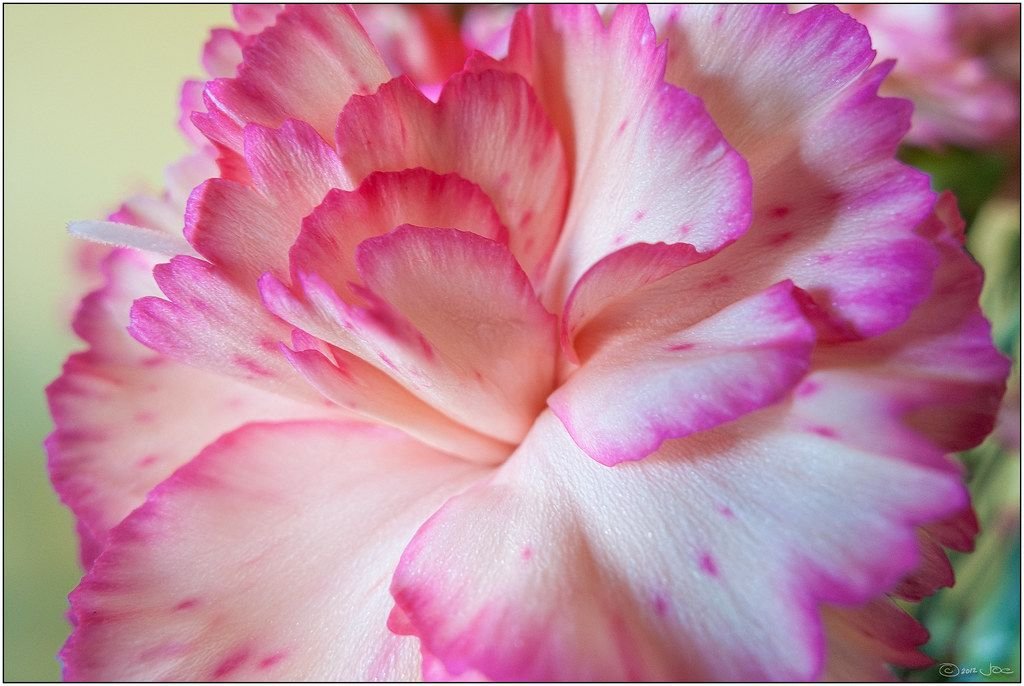
Carnations have been grown for more than 2,000 years. They stand for love, fascination and distinction, and they last up to two weeks in a vase, which makes them a practical birthday flower in the middle of winter. (Dianthus caryophyllus)
| Color | Meaning |
|---|---|
| Red | Deep love and admiration |
| Pink | A mother's love and gratitude |
| White | Pure love and good luck |
| Purple | Whimsy and unpredictability |
| Yellow | Traditionally disappointment, so skip it for a gift |
Snowdrop: the second January birth flower
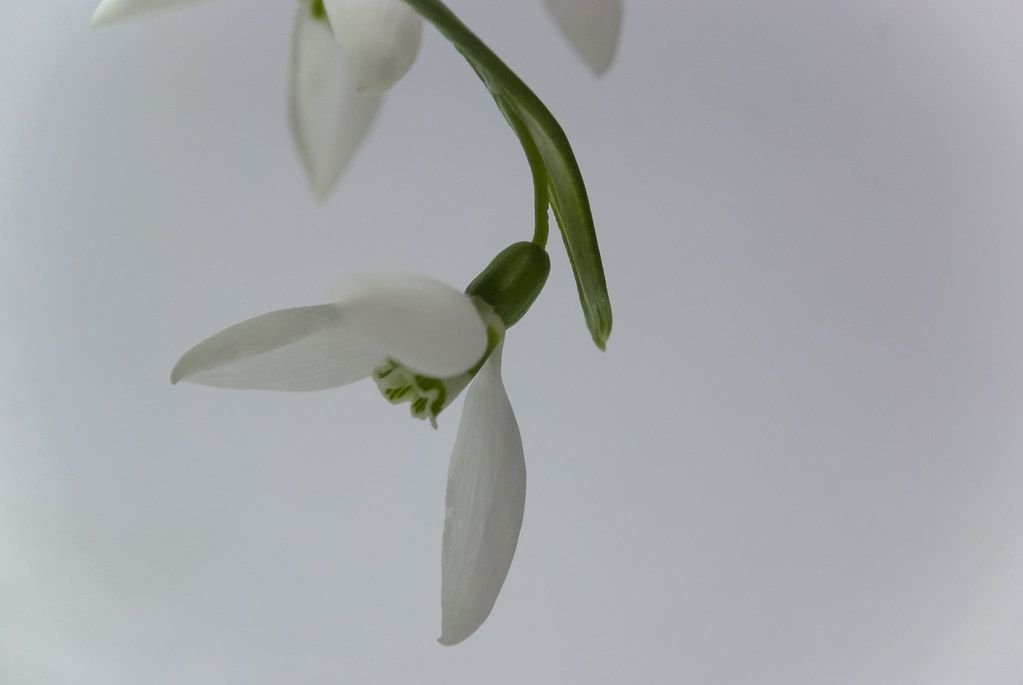
Snowdrops push through frozen ground in late winter, so they have long meant hope, rebirth and the promise of spring. They are a gentle choice for someone starting something new. (Galanthus nivalis)
How to grow carnation
- Type: Short-lived perennial in zones 7 to 9, grown as an annual elsewhere. Its hardy cousins, garden pinks (other Dianthus), survive zones 3 to 9.
- Sun and soil: Full sun, at least 6 hours. Well-drained, slightly alkaline soil; wet winter soil kills them.
- Planting: Set out young plants after the last spring frost, 12 inches apart. Pinch the tips once for bushier plants.
- Blooms: Early summer into fall if you remove faded flowers.
How to grow snowdrop
- Type: Hardy bulb for zones 3 to 7. It spreads slowly into drifts over the years.
- Sun and soil: Part shade under deciduous trees is ideal. Moist, well-drained soil rich in leaf mold.
- Planting: Plant bulbs in fall, 3 inches deep and 3 inches apart. Potted snowdrops bought in bloom ("in the green") settle in fastest.
- Blooms: February to March, often through snow.
Safe for cats and dogs?
Gift ideas for a January birthday
- A bunch of pink or red carnations: they outlast most cut flowers in a warm house.
- A small pot of snowdrop bulbs to plant out after they bloom, so the gift comes back every year.
- A printed birth flower card (below) tucked into a birthday card.
- Garden pinks to plant in spring, the hardy perennial relatives of the carnation.
Printable January birth flower card
Print it on card stock and slip it into a birthday card or a bouquet.
❄️ Born in January
Carnation and Snowdrop
Love, fascination and hope
gardencreator.net/flowers/birth-flowers
Birth flowers for every month
Frequently asked questions
What is the January birth flower?
January has two: the carnation and the snowdrop. The carnation stands for love and fascination, the snowdrop for hope and rebirth.
What color carnation should I give for a January birthday?
Pink for gratitude and a mother's love, red for deep love, white for good luck. Traditionally yellow carnations meant disappointment.
Can I grow snowdrops in a warm climate?
Snowdrops need winter cold and do best in zones 3 to 7. In zones 8 and warmer they rarely come back.